
“Re re pula a ene Mmadikolobe”
May the rain fall, MmadikolobeChapter I · Origins
The early records preserve a migration memory linking the Balobedu to Bokgalaka and the wider southern African civilisations of Mapungubwe, Great Zimbabwe and MweneMutapa. Oral tradition places the founding community’s arrival in the present Balobedu area at approximately 1587. The accounts remember Princess Dzungudini, the Mother of the Nation, protecting the young heir Phetole after conflict over succession and leading a community south of the Limpopo with rain regalia.
The histories name the young ruler as Phetole, also rendered Makaphele or Makaphimo in different transcriptions. His mother, Princess Dzungudini, is remembered as the leader who safeguarded both the heir and a community of men and women during the migration. Some transcriptions render her name as Tsukutleng or Tsokotleng; this archive uses Dzungudini as the correct name.
A central object travelled with them: the Kgapana ya pula, described in one record as Kumpo la Vola—rain regalia that connected political legitimacy, sacred responsibility and the wellbeing of the land.
The route is remembered through the Limpopo, Soutpansberg and the river systems of the Letaba, Mooketsi and Mosukudutswe. The Realm of a Rain-Queen remembers Dzungudini’s death at Nareni and places the next generation at Khumelong. The first settlement is recorded as Khumelong, also rendered Kgumelong, where Phetole began to rule the emerging Balobedu nation. The year 1587 is preserved as the remembered point of arrival in the present Balobedu area and is presented as an oral-tradition date.
The father of the founding houses
Makaphele · Phetole · Makaphimo
“Phetole Ramohlola a Bolobedu, khefetola maru a kgomo le batho.”
The praise remembers Phetole through discernment, rain and care for both cattle and people. It belongs at the head of the three founding houses because the documentary and oral record identifies Modika, Mahasha and Mohale as his sons.
An elders’ teaching · the meaning of succession
In Balobedu understanding, kingship and queenship carry a spiritual calling rooted in ancestry, recognised lineage and responsibility to the people. A ruler also has administrative and political duties, but authority cannot be acquired merely through ambition, campaigning or force.
The manuscript record
A supplied manuscript page describes Khumelong, also written Kgumelong, as the first settlement of the Balobedu and says it was established on a hill. It records that Makaphele was also called Phetole and that he began ruling the Balobedu from this settlement.
The same passage names his known sons as Modika, Mahasha and Mohale. This direct wording strengthens the archive’s correction of later accounts that wrongly separated the three siblings or described Modika and Mahasha as Mohale’s uncles.
A wider ancestral horizon
The supplied book pages set the migration within a remembered Monomotapa or MweneMutapa world. They describe Dzungudini travelling south with her young son, rain charms and sacred beads, then dying at Nareni. Her son, rendered Makaphimo in the book and identified as Phetole or Makaphele in the manuscripts, is placed at Khumelong. The later narrative places Mohale at Daja, a royal burial and sacred landscape.
This account broadens the origin story beyond a single migration route. The book itself presents these episodes as dramatic retellings of tradition, rather than a dated documentary chronology. Its names and approximate periods are compared with the Mathekga, Modiba and Matatanya manuscripts. In particular, its description of Modika and Mahasha as brothers of Makaphimo conflicts with those manuscripts and family testimony: Modika, Mahasha and Mohale are siblings, sons of Phetole.
A connected southern African world
Balobedu origin traditions belong within the larger history of the states and trading societies that flourished between the Limpopo and Zambezi. Mapungubwe, Great Zimbabwe and the MweneMutapa realm represent successive and overlapping centres of political authority, specialised production and long-distance exchange.
The archive does not claim that these civilisations were identical or that every Balobedu lineage followed one route. It records them as part of the wider historical world from which the Balobedu migration tradition, rain authority and trading identity emerged.
The warthog is the royal totem carried in the names Dikolobe and Mmadikolobe.
The name remembers a people associated with trade, exchange and an enduring entrepreneurial spirit.
Some historians and oral accounts propose a Jewish or Semitic ancestral connection, often through the wider trading world of Zimbabwe and MweneMutapa. The archive preserves this as a line of inquiry, not a settled conclusion.
Matatanya’s account · read with the wider archive
Matatanya’s Ditaba tša Balobedu is no longer presented as a separate history. Its evidence is integrated here with the Mathekga and Modiba manuscripts, the published book extracts, clan praises and living royal testimony.
The account begins in the wider Bokgalaka and MweneMutapa world. It remembers Princess Dzungudini, Mother of the Nation, protecting the royal line during a succession crisis. Dzungudini is the archive’s correct spelling; Tsukutleng and Tsokotleng are retained only as defective or variant transcriptions. Living tradition records that she died at Nareni.
Sacred beads and rain medicines accompany the migration. Their presence connects political succession with the spiritual responsibilities later associated with Balobedu rain authority.
The group moves through temporary settlements including Bokgwa and Phukubje. The account names Modika and Mahasha within the developing community and remembers rain as confirmation that the people had found fertile land.
The narrative contributes to memories of Daja, the people called BaKheoka or BaSeoka, and the difficult encounter associated with clearing the forest. These passages are preserved critically and compared with oral testimony.
Matatanya connects the founding migration to Mohale and the longer royal succession. Where its spellings or kinship claims differ, the archive gives priority to the combined evidence that Modika, Mahasha and Mohale were siblings and sons of Kgoši Phetole.
Source preserved: the complete manuscript remains available in the Digital Archive so that readers can distinguish the original record from this integrated interpretation.
Open Matatanya’s original recordChapter II · The founding houses
The Mathekga, Modiba and related accounts regularly name Modika, Mahasha and Mohale in that sequence as the sons of Kgoši Phetole. The archive does not use this ordering to promote a dispute over seniority. It preserves the more important constitutional memory: the brothers chose unity over conflict and worked together to build the emerging Balobedu state.
Senior Royal House
Modika moved east of the Molototsi and settled on the banks of the Great Letaba River. He named the place Tsanakolo, associated with present-day Tzaneen or Tsaneng. Living heritage remembers his house’s responsibility in counsel, protection and the guardianship of royal order.
The Modiba manuscript records Modika moving eastward to Tzanakulo(e). Tsanakolo, Tsaneng and Tzaneen are preserved together here so that changing spellings do not erase the place-memory.
Senior Royal House
Mahasha remained at Khumelong because his wife was pregnant when his brothers moved to establish new centres. The house therefore preserves Khumelong in its traditional praises and carries the memory of continuity at the first royal settlement.
Mahasha later joined his brothers within the shared Balobedu leadership system. Living tradition also remembers his agricultural knowledge and experimentation with seeds on Balobedu land.
Royal Succession Line
After the death of Kgoši Phetole, Mohale moved and settled in Daja Forest. The place is also remembered as Badimong because many members of the royal houses were buried there. His line continued through Seale and Mokoto before the transition to female succession.
Mohale’s praise remembers a formidable temperament whose anger crossed the boundary between those of his own house and those outside it. Oral and written accounts say that the Balobedu encountered the BaKheoka, also called BaSeoka, at Daja. They are remembered as a community that had left Bokgalaka earlier and lived without a king. The accounts describe a destructive fire during the Balobedu clearing of the area, in which many BaSeoka died. Later royal centres, including Lenokwe and Lebyeni, belong to the expanding succession history rather than Mohale’s first settlement at Daja or Badimong.
The tripartite foundation
Their territorial distribution created a resilient network of royal authority across Khumelong, Daja and Tsanakolo.
Correcting the kinship record
One later book passage calls Modika and Mahasha “uncles” of Mohale. That wording is contradicted by the Mathekga and Modiba manuscripts, which independently name Modika, Mahasha and Mohale as sons of Phetole. The archive therefore records them as brothers and founding royal siblings.
Mathekga 136“Modika, Mahasha le Mohale” — sons of Phetole
Modiba 142Names Mohale, Modika and Mahasha as Phetole’s children
Later book account“Two uncles” — retained as a disputed wording
Modika Connect · A living family network
Modika Connect is a gathering place for descendants of the Modika royal house—across villages, provinces and the world. Register your family branch, reconnect with relatives and help preserve the names, places and oral histories entrusted to each generation.
Chapter III · A new form of sovereignty
The attached records summarise four male rulers—Phetole, Mohale, Seale and Mokoto—followed by the rise of Modjadji and the establishment of female kingship from approximately 1800. The Rain Queen leadership did not begin in 1650.
The living continuation of the Balobedu rain-queen institution.
The female succession · from c. 1800
Rain Queen leadership began around 1800. Names and dates vary across records; this chronology follows the supplied comparative extracts and keeps alternative spellings visible.
The first Modjadji
The narratives describe a contested succession after Mokoto. Mmalekutu ruled for a period marked by severe drought and hunger. The people called for Modjadji; when she took the royal seat, the record says the rains returned. Her reign joined sacred authority, ecological responsibility and political legitimacy.
Named as the second Modjadji. The historical record places her reign in the period of confrontation with the Zuid-Afrikaansche Republiek and records her death in 1896.
Also rendered Khesetoane or Khetoane in later histories. She is identified in the source as the reigning Modjadji at the time the account was recorded.
The royal photographic record
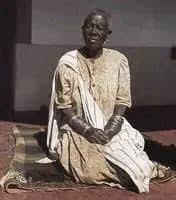
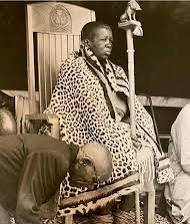
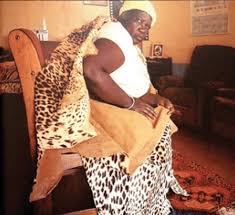
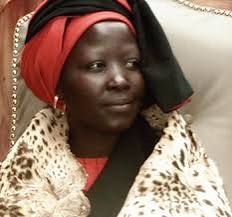
These supplied portraits preserve the visible continuity of Balobedu female sovereignty from Khesetwane Modjadji III to Her Majesty Queen Masalanabo Modjadji VII.

A regional rain network
The Mathekga record lists chiefs and communities from across southern Africa who sought rain from Modjadji and brought cattle, sheep, goats and other gifts. The Realm of a Rain-Queen (p. 10) likewise portrays envoys from Gaza, the Pedi kingdom, Venda, the Zulu kingdom and other regions bringing gifts or seeking rain and alliances. These are remembered accounts of a wide diplomatic and spiritual network, whose particular episodes require comparison with other records.
Chapter IV · The digital archive
These early transcriptions and the comparative book account carry spelling variation, oral memory and the limits of their recording period. They are presented as historical evidence to be compared, annotated and enriched—not as the final word.
Downloadable heritage publication
A 12-page edition bringing together the website’s origins, founding royal houses, clan praises, Rain Queen transition, Matatanya account, historical hierarchy, rain traditions and source method.
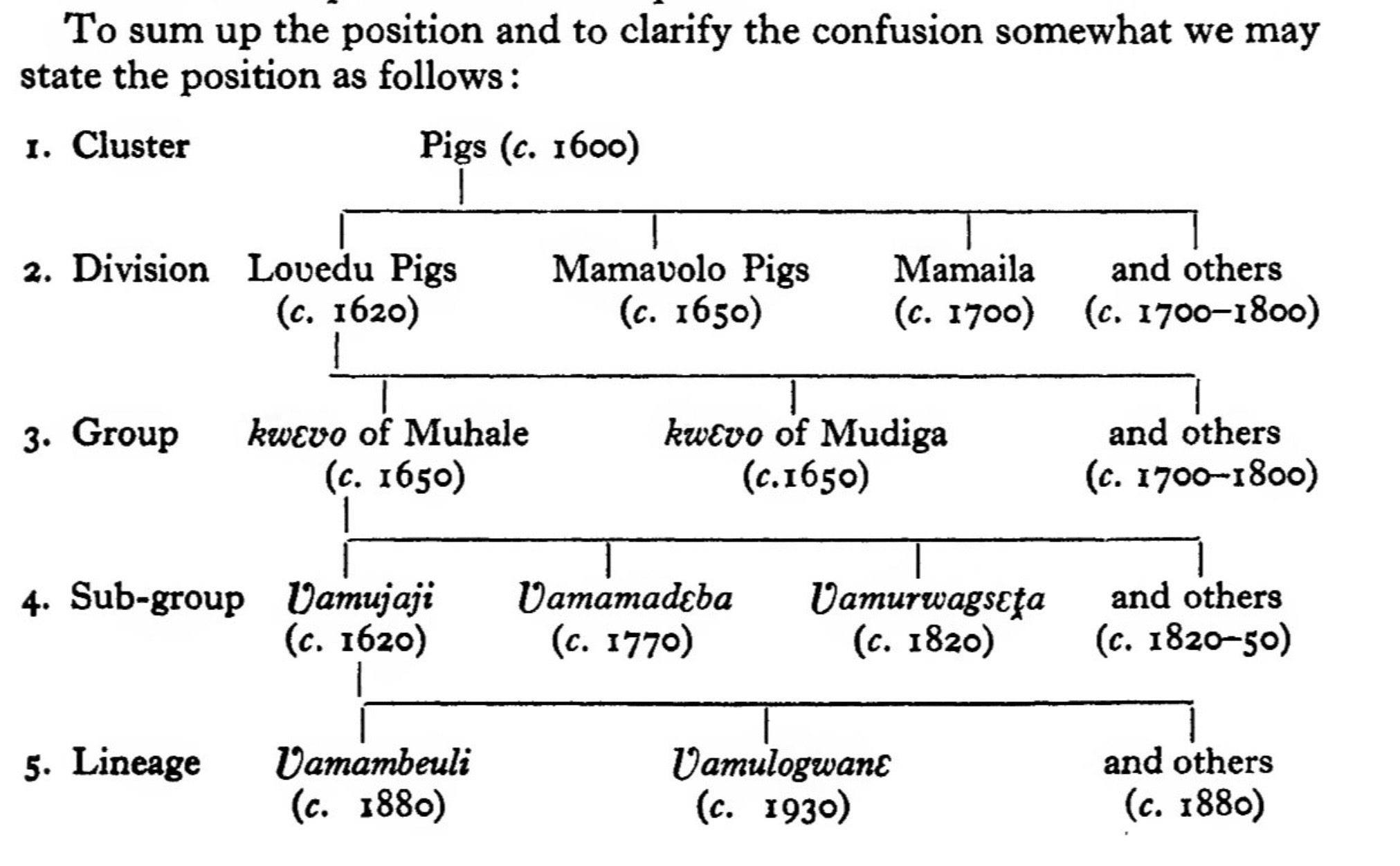
Published book extract · comparative source
A wider ancestry and chronology linking Dzugudini, Makaphimo, Mohale and the Rain Queen line. Its kinship terminology is compared critically with the earlier manuscripts.
View the supplied page ↗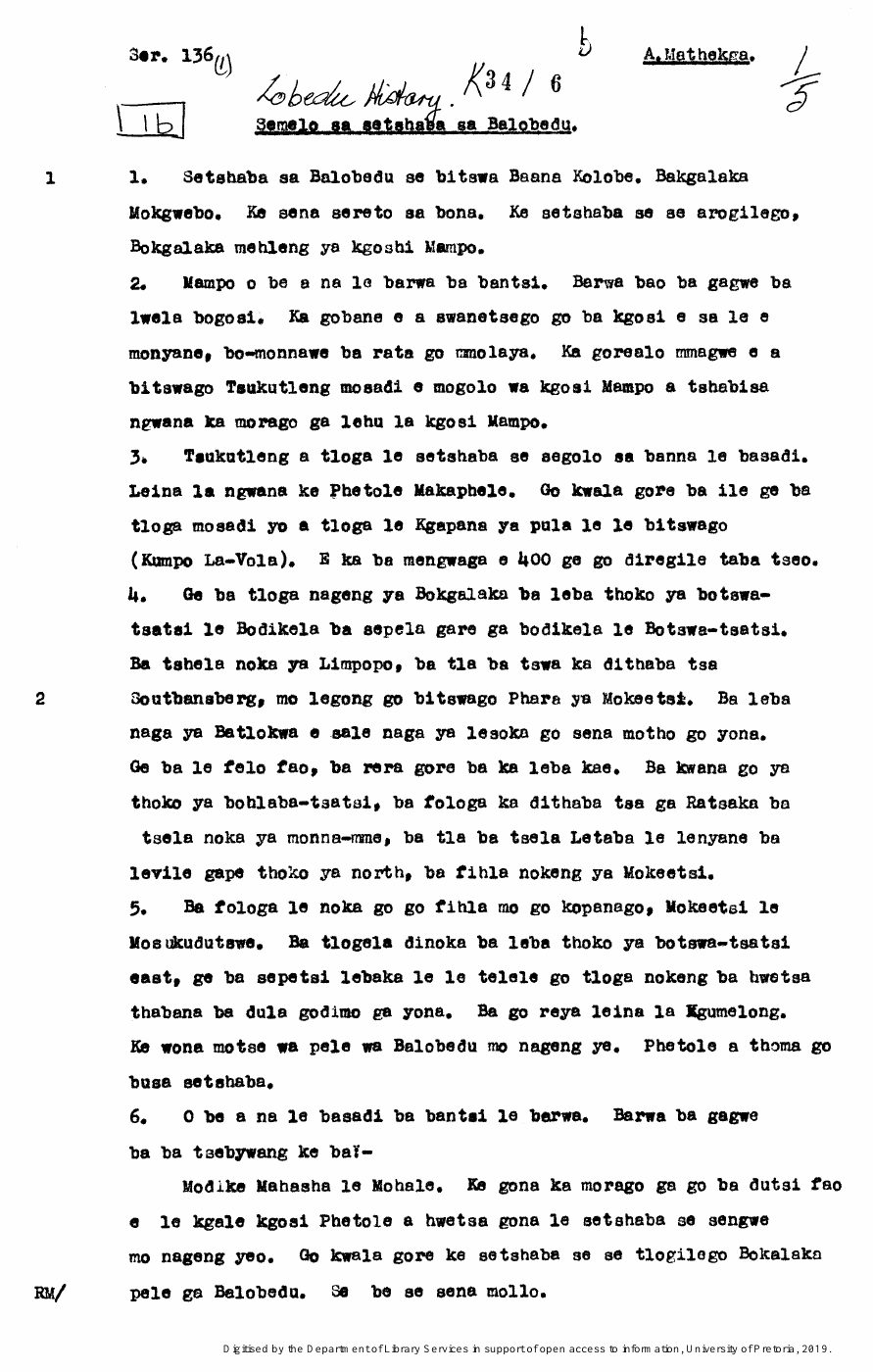
Record 136 · A. Mathekga
A concise origin narrative covering migration, the three founding sons and the transition to the first Modjadji.
Open the record ↗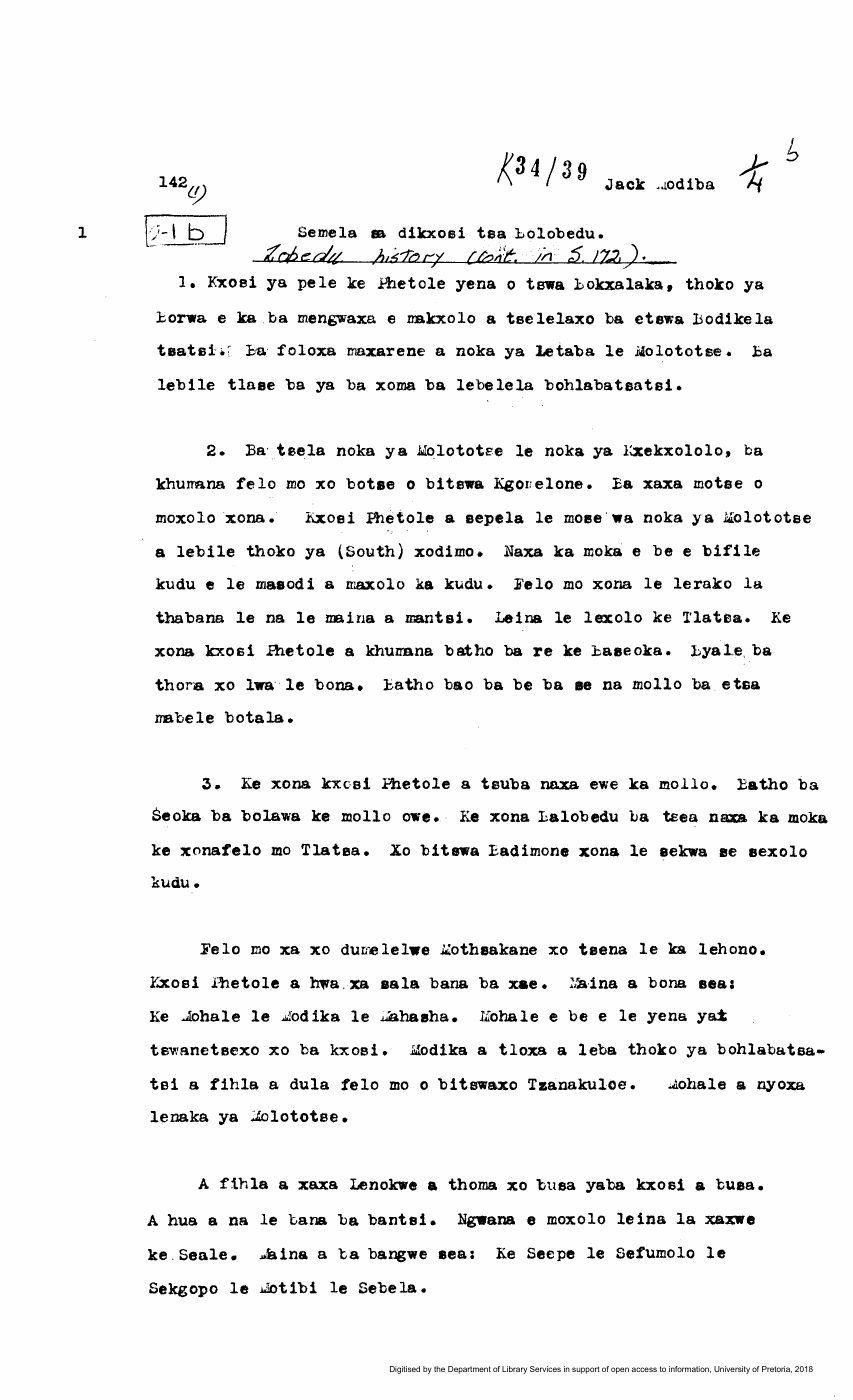
Record 142 · Jack Modiba
A second account of Phetole, the founding sons and the royal line through Mohale, Seale and Mokoto.
Open the record ↗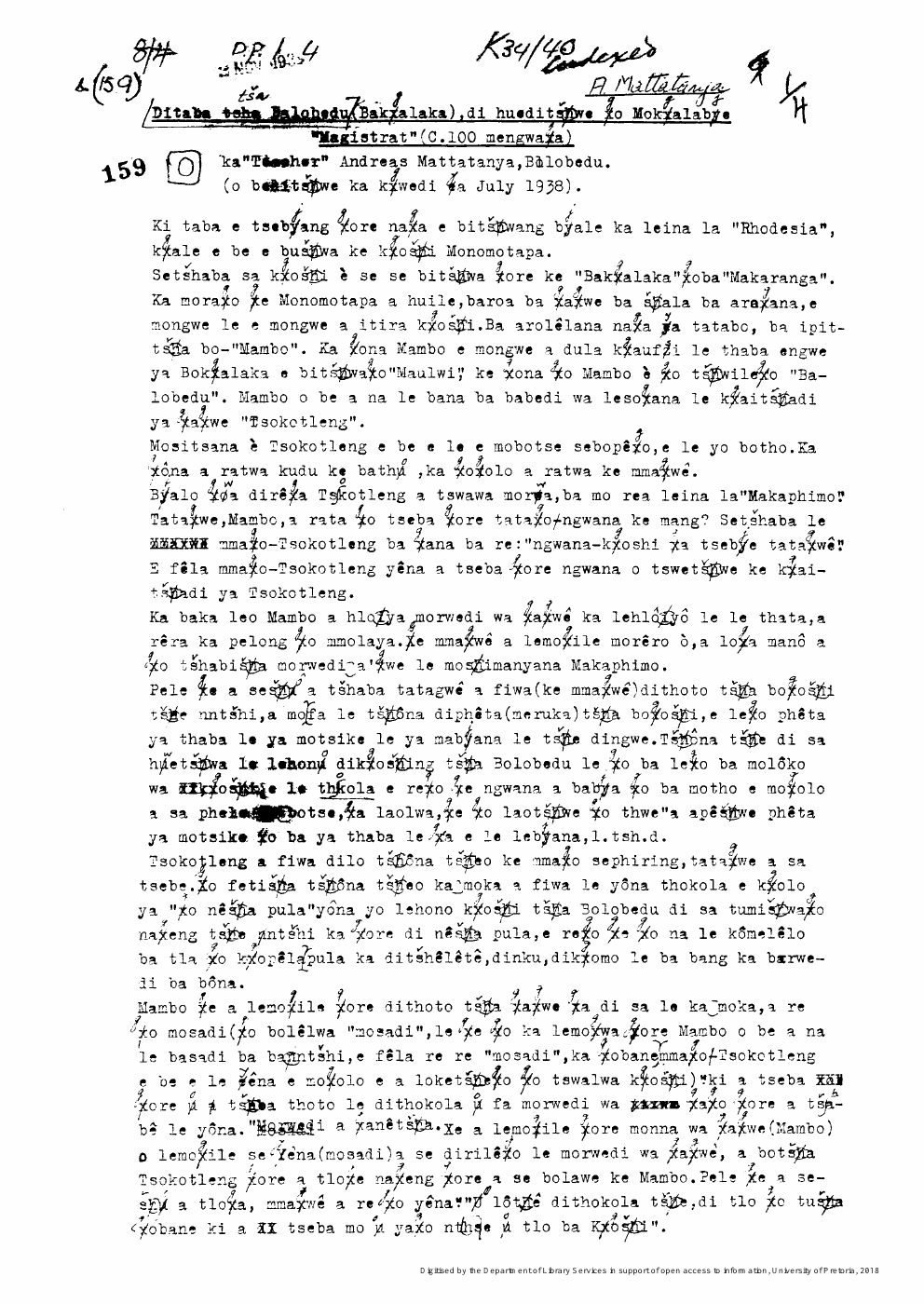
Matatanya · Ditaba tša Balobedu
The original record behind the Matatanya evidence now integrated into the History and Origins chapter. Its variant “Tsokotleng” is read as Princess Dzungudini.
Open the archived record ↗Record 179 · A. Mathekga
The longest source in this collection, recording royal succession, rain practice, social customs and the wider political world of Balobedu.
Open the record ↗Scans remain available beside every interpretation so readers can return to the record.
Variant spellings and unclear passages are marked rather than silently harmonised.
Written sources are read alongside living testimony from elders and royal houses.
Claims are attributed, compared and opened to responsible scholarly review.
Words carried forward